Thailand is undergoing the most significant restructuring of its cannabis market since the country’s unexpected liberalisation in 2022. More than 7,000 cannabis shops closed in 2025 after operators either failed to renew their licences or deliberately exited the market. From the outside, this development may look like a political rollback. In reality, it represents a deliberate market correction—and an important signal for European founders and investors.
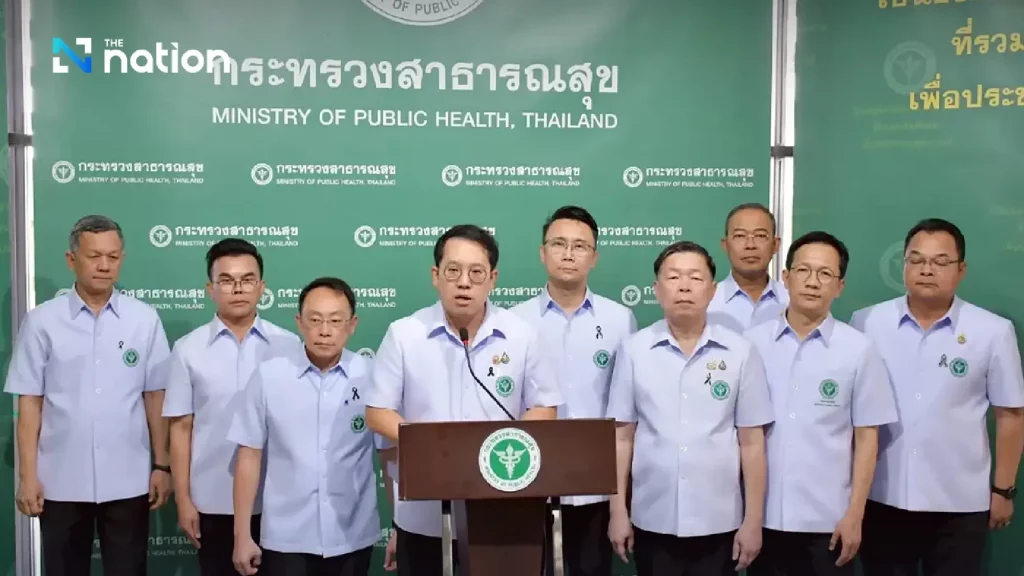
The trigger is a new ministerial regulation announced by the Ministry of Public Health. According to Health Minister Pattana Promphat, the existing regulatory framework from 2016 no longer reflected the realities of the cannabis market after rapid liberalisation. The objective of the new rules is clear: stronger consumer protection, reduced community impact, and a shift from uncontrolled retail to a medically anchored, professionally regulated market.
The Numbers Behind the Shakeout
As of December 28, 2025, Thailand officially counted 18,433 cannabis-related establishments nationwide. During 2025 alone, 8,636 licences expired. Only 1,339 operators—around 15.5%—applied for renewal. More than 7,000 shops did not, effectively disappearing from the legal market.
The contraction is not over. A further 4,587 licences will expire in 2026, followed by 5,210 in 2027. The direction is unmistakable: Thailand is intentionally reducing the number of market participants.
From Open Retail to Medical Structure
At the heart of the reform is a strict redefinition of who is allowed to sell cannabis. Under the new regulation, licences will only be granted to four legally defined facility types:
-
Medical facilities (such as clinics and hospitals)
-
Pharmacies
-
Herbal product retailers
-
Workplaces of traditional healers
This effectively ends the era of walk-in cannabis shops without a medical or therapeutic framework. Cannabis distribution is being pulled back into regulated healthcare and traditional medicine structures.
Crucially, cannabis dispensing will now take place under direct medical responsibility. Doctors are responsible for prescribing, while clearly identified and authorised personnel handle dispensing. The Ministry has emphasised that Thailand has sufficient medical staff to support this model and that patients will not face shortages. Hospitals nationwide are expected to absorb demand.
The political message is explicit: medical cannabis remains protected, while recreational-style retail does not.
Higher Standards for Operations and Quality
Beyond licensing, the new rules significantly raise operational standards. Licensed establishments must now comply with detailed requirements, including:
-
Dedicated and adequately sized storage areas
-
Controlled temperature and humidity
-
Protection from direct sunlight
-
No storage of cannabis products directly on the floor
-
Effective odour and smoke elimination systems
-
Proof of property ownership or legal occupancy rights
-
At least one trained and certified staff member on duty at all times
These requirements resemble early-stage GMP logic and align Thailand more closely with European compliance expectations. While this creates barriers for small, opportunistic operators, it introduces clarity and predictability for professionally run businesses.
What This Means for European Founders and Investors
Thailand is not abandoning cannabis—it is abandoning unstructured cannabis commerce. The market that remains is smaller, more controlled, and more medicalised. For European stakeholders, this shift reduces political noise and increases strategic visibility.
Areas that remain particularly relevant include:
-
Medical cannabis products and extracts
-
Export-oriented cultivation and processing
-
Research and traditional medicine applications
-
Partnerships with clinics, pharmacies, and compliant local operators
Thailand is following a familiar pattern seen in other cannabis markets: liberalisation, overheating, correction, professionalisation. Canada and several US states have already gone through similar phases. Europe is now entering comparable territory.
Conclusion
The closure of more than 7,000 cannabis shops is not a collapse—it is a reset. Thailand’s cannabis market is becoming smaller, but also clearer and more investable. The era of grey zones and low entry barriers is ending. In its place emerges a framework built around medical legitimacy, quality standards, and regulatory control.
For short-term retail plays, Thailand has become less attractive. For long-term strategies focused on medical cannabis, exports, and compliant partnerships, the market is arguably more interesting than ever.
Not less cannabis—just less chaos.