Draft regulations set possession and cultivation limits, but commercial framework remains unclear
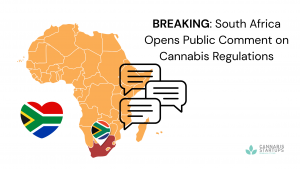
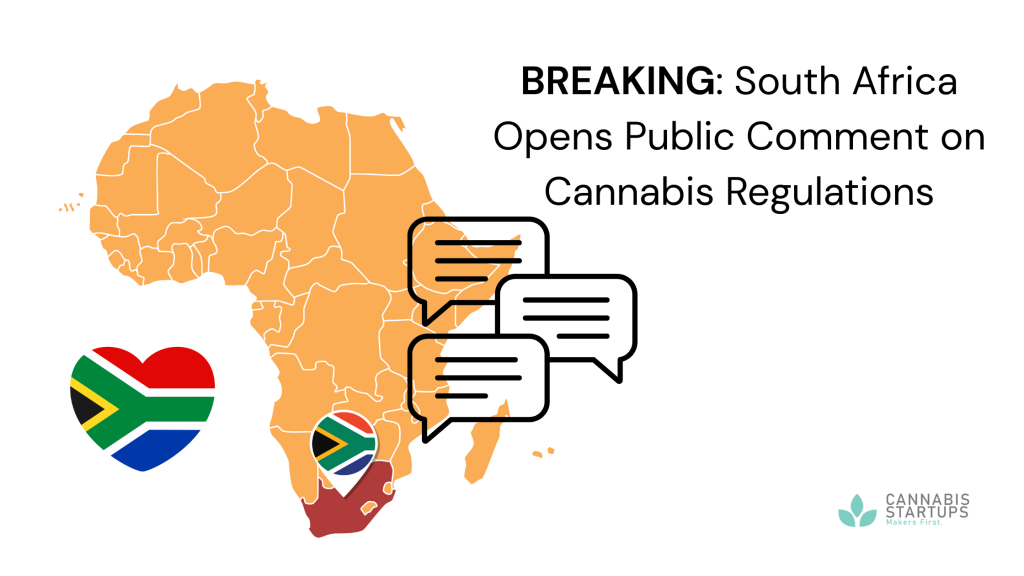
South Africa’s Department of Justice and Constitutional Development has released draft regulations for the Cannabis for Private Purposes Act, 2024, with public comments due by March 5, 2026. While this represents a concrete step toward implementing the Constitutional Court’s 2018 decriminalization ruling, the regulations deliberately sidestep the commercial question that matters most to business developers.
What the Regulations Cover
The draft establishes upper limits for personal possession and cultivation of cannabis, based on what the Minister considers “reasonably constitute private use.” International benchmarks and the number of plants needed to support personal consumption factored into these proposed thresholds.
The regulations also detail administrative processes for expunging criminal records related to qualifying cannabis offences – addressing a legacy issue that has affected thousands of South Africans.
Notably, adults can now legally use and possess cannabis privately, transport it for personal purposes, and cultivate it at home within the forthcoming limits. The framework explicitly protects adult privacy while maintaining strict prohibitions on minors (under 18) using cannabis, with criminal liability for adults who enable underage access.
The Commercial Void
Here’s what the regulations don’t address: buying, selling, or commercial cultivation of cannabis.
The Department explicitly states these matters “fall outside the scope of the Act” and are being handled by other departments – Trade, Industry and Competition; Agriculture; and Health. No timeline is provided. No framework is outlined. The traditional grower recognition question is similarly punted to these unspecified future processes.
This creates a peculiar legal landscape: adults can legally possess and grow cannabis but have no legal avenue to acquire seeds, genetics, or cultivation supplies. They can consume but not purchase. The regulations essentially legitimize personal use while maintaining a complete prohibition on the commercial infrastructure that would support it.
The Eight-Year Gap
The Constitutional Court ruled in 2018 that criminalizing private adult cannabis use violated fundamental rights to dignity, equality, and freedom. Parliament was ordered to amend the law. It took six years to enact the Cannabis for Private Purposes Act in 2024, and now, eight years after the judgment, the market still lacks clarity on commercial operations.
This glacial pace reflects either bureaucratic complexity or political hesitancy – likely both. Cannabis policy sits at the intersection of health concerns, economic opportunity, social justice, and international treaty obligations. South Africa’s multi-departmental approach has produced thoroughness at the expense of speed.
Market Implications
For business developers eyeing South Africa, the current regulatory landscape offers no immediate opportunities. There is no legal framework for:
- Retail sales (dispensaries, cannabis stores)
- Commercial cultivation licenses
- Product manufacturing or processing
- B2B supply chains
- Traditional grower integration
The undefined timeline for commercial regulations creates risk for any capital deployment. Unlike Germany’s phased approach with clear milestones, or Portugal’s established medical framework, South Africa presents a policy vacuum where personal use is protected but commercial activity remains entirely prohibited.
Reasons for Cautious Optimism
That said, several factors suggest commercial regulations will eventually materialize:
Economic pressure: South Africa faces unemployment exceeding 30%. Cannabis represents potential job creation, tax revenue, and agricultural diversification – arguments that carry weight in policy discussions.
Regional precedent: Lesotho has operated a licensed medical cannabis export industry since 2017, demonstrating regulatory viability in the Southern African region.
Established momentum: The private use framework, once finalized and approved by Parliament, creates foundation. Incremental policy evolution toward commercial frameworks becomes more likely once personal use is formally regulated.
Medical pathway: Health department involvement suggests potential movement on medical cannabis, which often serves as a bridge to broader commercial frameworks internationally.
Traditional grower question: Recognizing existing cultivators requires creating some form of legal commercial structure, pushing policy toward market definitions.
The Wait Continues
South Africa’s cannabis opportunity remains theoretical rather than practical. The current public comment period represents progress on personal use, but commercial market development remains stuck in interdepartmental limbo with no clear timeline.
For capital allocators, this means South Africa stays on the watchlist rather than moving to active deployment. The fundamentals – market size, agricultural capacity, economic need – remain compelling. The regulatory clarity required to act on those fundamentals does not yet exist.
The public comment period runs through March 5, 2026. Once finalized, the regulations require Parliamentary approval before taking effect – adding additional months to implementation. Meanwhile, questions about commercial cannabis remain unanswered, with responsibility dispersed across multiple departments and no coordinated timeline.
South Africa will eventually develop a commercial cannabis framework. The Constitutional Court ruling created irreversible momentum. But “eventually” offers little guidance for business planning, and eight years of policy development have yielded only the foundation – not the structure.
The draft regulations are available on the Department of Justice and Constitutional Development website and in the Government Gazette. Stakeholders have until March 5, 2026, to submit written comments.