Berlin, October 16, 2024: The introduction of the new G-BA decision, which allows physicians with certain specialist, subspecialty or additional qualifications to prescribe medical cannabis without prior approval from health insurers, is being celebrated as progress. Yet beneath the surface, skepticism is simmering. Instead of genuinely making it easier to prescribe cannabinoids, this decision could further strain the already tense relationship between the medical profession and health insurers.
At first glance, it may seem as though access to medical cannabis has finally become easier. Patients with serious illnesses for whom no other treatment option is suitable could now gain easier access to cannabinoids. But behind this celebratory facade lies an uncomfortable truth: this decision does not really take the pressure off physicians. On the contrary, they remain exposed to considerable risk.
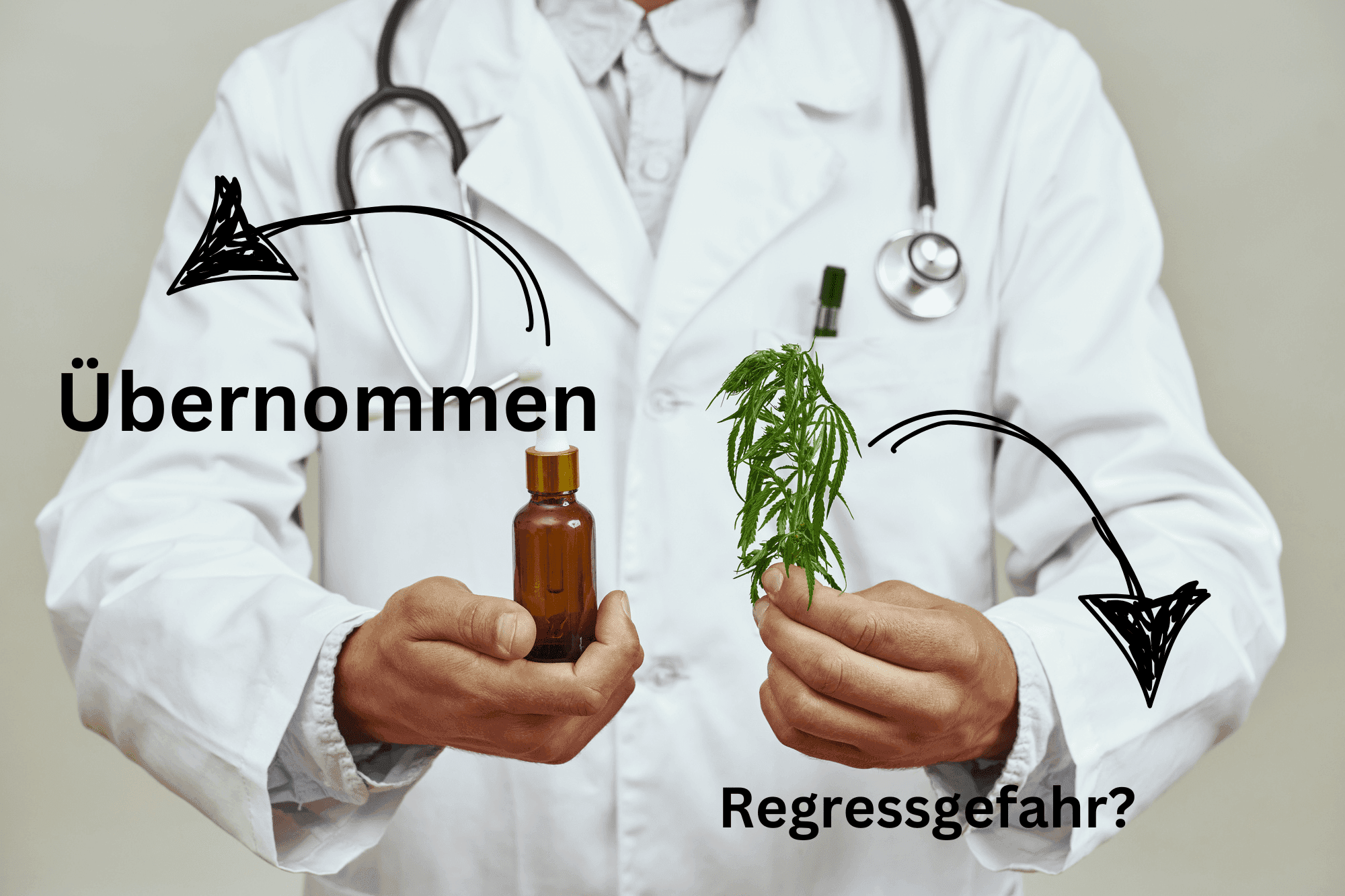
The biggest concern remains potential recourse claims. Until now, obtaining the health insurer's approval served as a protective mechanism for physicians who wanted to prescribe cannabis. It acted as a kind of insurance that the prescription met the insurers' legal and economic requirements. Now this protection is set to disappear in many cases. But what happens if the health insurers later assess the prescription differently from the treating physicians? The risk that insurers will claw back large sums in the future remains. Yet this looming recourse is barely mentioned in the public debate.
Physicians therefore continue to find themselves in an uncertain position. As noted in the G-BA decision, “in individual cases, the health insurer may assess differently whether the requirements for prescribing cannabinoids are met for a patient.” This arbitrariness could lead many doctors, out of fear of recourse claims, to keep hesitating to prescribe cannabinoids. After all, who would want to risk being held accountable years later for a prescription they believed to be lawful?
Removing the approval requirement may look like relief on the surface, but in practice the legal uncertainty remains. Without clear and reliable rules that protect physicians from the arbitrariness of health insurers, the decision remains a placebo: more appearance than substance.
An important aspect: As Dr. Paola Cubillos points out on LinkedIn, this is not only about financial liability but also about serious medico-legal concerns. Physicians
are solely responsible for prescribing a product that has not been fully validated and that still lacks a sufficient scientific basis for many applications. This pressure could lead to even greater reluctance.
Thought experiment:
Given these uncertainties, I wonder whether it is time for the pharmaceutical industry itself to take action. What if manufacturers of cannabis products built up a comprehensive base of patient data and invested more in clinical trials? Cannabis is already recognized as a medicine in Germany, but there is still a lack of solid scientific evidence that comprehensively confirms its efficacy and safety.