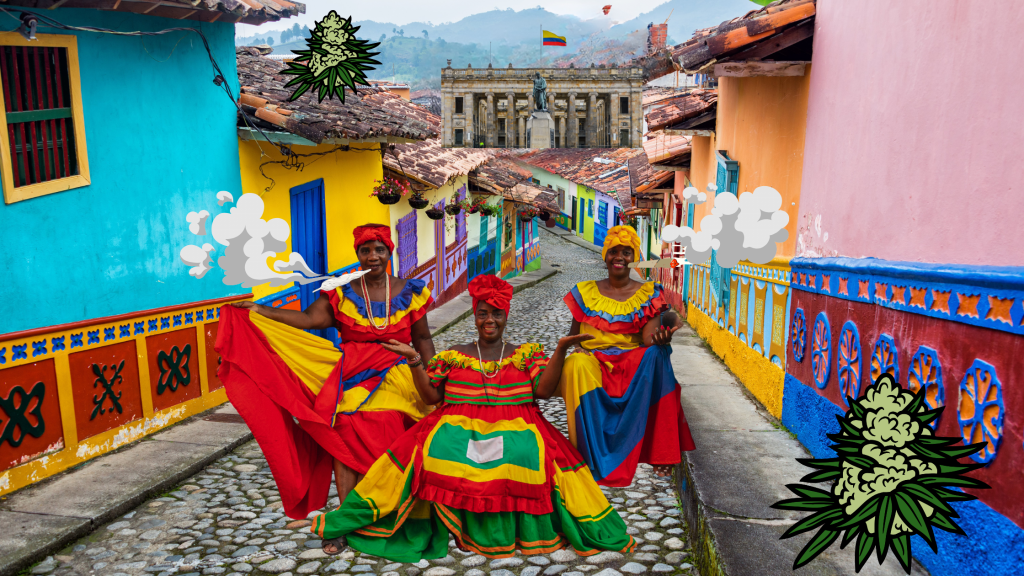
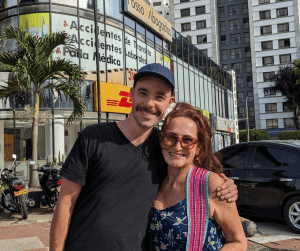
Two years ago, I returned to Colombia.
I went to visit my “Mama Colombiana,” Ana Lucía – the woman I lived with in Cali during my civil service year. For me, it wasn’t just a reunion. It felt like coming home. Colombia is not a country you simply leave behind; it stays with you, woven into your heart.
That’s why I follow every development there with special interest, especially when it comes to cannabis. What might be just another industry update for others is, for me, also a piece of personal history. And right now, there’s news that may seem small on the surface – but for Colombia, it’s meaningful.
A Two-Speed Market
Since 2016, Colombia has had one of the most stable and comprehensive medical cannabis frameworks in the world. More than 3,000 licenses have been issued, with around 864 hectares under legal cultivation – and the potential for over 57,000 hectares. A major milestone came in 2022 when the state health system began providing medical cannabis to patients free of charge.
On the other hand, adult use remains officially prohibited, even though the possession of small amounts (up to 20 grams) has been decriminalized. And here’s a political reality: I’ve spoken with members of the indigenous tribe that blocked the adult-use market two years ago. Their position has not shifted much — meaning this path remains an uphill battle.
The Big Topic: Cannabis in Pharmacies
What excites many observers right now is a draft decree from the Ministry of Justice that would, for the first time, allow medical cannabis flower to be sold in pharmacies. For Colombia, this would be a major step forward — until now, flower has only been available through clinical channels in processed form.
But a dose of realism is essential.
-
First, this is still only a draft; nothing has been signed.
-
Second, under the draft, pharmacies would need to be certified in BPE (Good Pharmaceutical Practices), register with the National Narcotics Fund, obtain health authorization, and secure a local sales permit. This is essentially the same bureaucratic structure as the magistral formulas model — a system that has been a failure for both patients and industry. Today, only three mixing plants in the entire country are authorized, and only one is operational (if it’s even still functioning).
-
Third, the THC limit would be capped at 1%, restricting many medical applications.
In other words, the decree signals intent but not readiness. Implementation could take 1–2 years, and much of what’s circulating comes from press releases rather than finalized regulation. Entities like INVIMA have yet to clearly define the technical guidelines or the logistics for dispensing flower through pharmacies. Without operational and regulatory clarity, this remains a political headline more than a functioning market reform.
An Export Powerhouse in the Making
In 2023, Colombia exported $10.8 million USD worth of cannabis products, mainly to Canada and the UK. With the recent removal of the ban on exporting dried flower, the international flower market is now within reach. The country’s climate and low production costs are unbeatable — a true competitive advantage.
Opportunities and Challenges
What Colombia has going for it:
-
Ideal climate and low labor costs
-
Nine years of regulatory experience in medical cannabis
-
State healthcare coverage for cannabis
-
Export experience and existing trade routes
Challenges:
-
The 1% THC limit for pharmacy sales restricts medical potential
-
Heavy bureaucracy that could replicate the magistral formula bottleneck
-
Over 3,000 licenses mean intense competition
-
Regulatory processes often move slowly
-
Indigenous political resistance to adult-use reform
For Founders and Investors
Short-term, the smart play is CBD products, export markets, and technology or logistics services for licensed operators. Wellness, cosmetics, and functional foods are also promising areas.
Mid-term, the pharmacy channel could have huge domestic potential — but only if the decree is finalized, bureaucracy is reduced, and THC limits are reconsidered.
My Conclusion
There’s still a lot of work to be done. The government has said they’re open to talks — but that doesn’t mean it’s ready yet. From my conversations with the indigenous leaders who blocked adult-use reform, I know change will be an uphill battle.
This draft decree is, without doubt, a meaningful political signal toward expanding access to dried cannabis flower in Colombia’s healthcare system. But with so many operational, bureaucratic, and political hurdles, I would be genuinely surprised to see fast movement.
Hopefully, this is the first step toward a real, transparent, and patient-centered implementation. Until then, there’s no reason for hype — just cautious optimism and patience. A small step in the right direction, but still a long road ahead.